Key Takeaways:
- Silver tarnishes when it reacts with sulfur and air, creating a dark coating over time.
- Gentle home remedies like mild dish soap or baking soda baths work well for light surface buildup.
- Harsh items like toothpaste, bleach, and stiff brushes can permanently scratch silver surfaces.
- Fine silver containing delicate gemstones or heavy structural wear needs professional attention.
- Regular wear and dry storage in soft pouches slow down the tarnishing process.
You open your jewelry box to wear a favorite ring or necklace, only to find it dark, dull, and discolored. Dealing with tarnished silver jewelry is a frequent problem for anyone who owns fine silver. Over time, air, moisture, and daily wear cause your favorite items to lose their bright luster. Fortunately, bringing your pieces back to life is simple when you know the right steps. Whether you want to try safe home cleaning or need professional service, this guide helps you restore and care for your silver items properly.
Why Silver Jewelry Tarnishes
Understanding why silver changes color is the first step in taking care of it. Pure silver is very soft, so jewelers mix it with other metals, usually copper, to make sterling silver. Sterling silver contains 92.5% pure silver and 7.5% alloy metals. While this blend makes the metal strong enough for daily wear, the copper content reacts to the surrounding environment.
Tarnish is a thin layer of corrosion that forms on the outer surface of metal. It happens when silver comes into contact with sulfur compounds present in the air. Common items and environmental factors that speed up tarnishing include:
- High humidity and damp indoor environments
- Air pollution and natural environmental sulfur gases
- Body lotions, perfumes, and hair spray products
- Household cleaning chemicals, chlorine, and bleach
- Natural skin oils and everyday sweat
Safe At-Home Methods for Silver Cleaning
If your silver items show light discoloration, simple cleaning techniques can restore their shine without damaging the surface. Here are three safe methods you can try at home.
1. Mild Dish Soap and Warm Water
This gentle wash is ideal for light surface grime and initial tarnish buildup.
- Fill a small bowl with warm water.
- Add a few drops of mild, phosphate-free dish soap.
- Submerge your silver item for 5 to 10 minutes.
- Use a soft microfiber cloth or a soft-bristled baby toothbrush to gently wipe the metal.
- Rinse thoroughly with clean warm water and dry immediately with a soft cloth.
2. The Baking Soda and Aluminum Foil Bath
This gentle chemical bath lifts dark tarnish off plain metal without abrasive scrubbing.
- Line a heat-safe bowl with aluminum foil, shiny side facing upward.
- Place your silver items directly on the foil, making sure the metal touches the surface.
- Pour hot water into the bowl until the jewelry is completely covered.
- Add one tablespoon of baking soda for every cup of water.
- Let the items soak for 3 to 5 minutes as the tarnish transfers to the aluminum.
- Remove the jewelry with plastic tongs, rinse with clean water, and dry thoroughly.
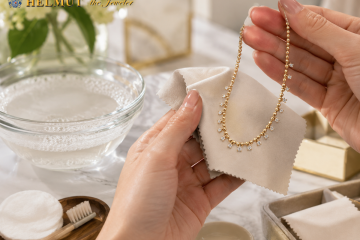
3. Specialized Silver Polishing Cloths
A silver polishing cloth contains mild cleaning agents that remove dark spots while buffing the metal surface.
- Hold the cloth flat against the metal surface.
- Rub gently back and forth along the grain of the silver.
- Avoid rubbing in circular patterns to prevent micro-scratches.
- Continue until the dark marks vanish and the bright shine returns.
Pro Tip: Do not use the baking soda bath on silver items that feature pearls, opals, turquoise, or glued gemstones. The heat and water bath can loosen glues and crack sensitive natural gems.
Comparing Common Silver Cleaning Options
Selecting the right method depends on the condition of your metal and whether it contains delicate gemstones. The table below outlines how common cleaning methods compare.
| Cleaning Method | Best Used For | Risk Level | Recommended Materials |
| Warm Soap & Water | Light dust & daily maintenance | Very Low | Mild dish soap, soft microfiber cloth |
| Silver Polishing Cloth | Light to moderate tarnish | Low | Specialized silver polishing cloth |
| Baking Soda Bath | Heavy tarnish on plain sterling metal | Medium | Aluminum foil, baking soda, hot water |
| Commercial Liquid Dips | Fast chemical cleaning | High | Commercial liquid dip chemical solution |
| Professional Service | Fine jewelry, antique items, gemstones | None | Ultrasonic tools, steam cleaners |
What to Avoid During Tarnish Removal
Using the wrong cleaning supplies can cause permanent scratch marks or strip away special finish coatings on your silver. To protect your collection, keep these common mistakes in mind:
- Avoid toothpaste completely: Toothpaste contains harsh abrasive particles designed for teeth that leave scratches on polished silver.
- Skip chlorine bleach and ammonia: Harsh household chemicals cause severe surface pitting and turn silver black.
- Do not use paper towels or tissues: Wood fibers inside paper products scratch smooth, polished metal surfaces.
- Avoid commercial dip cleaners on gemstone pieces: Dip liquids strip protective finishes and ruin porous gems like pearls and turquoise.
When to Seek Professional Silver Cleaning
Home cleaning methods work well for simple pieces, but valuable or delicate items need expert care. Fine jewelry often features complex mountings, fragile gemstones, or specialized antique oxidized finishes that home supplies can ruin.
When you bring your items to HELMUT The Jeweler, experienced technicians evaluate metal condition and gemstone safety before cleaning. Operating as a local family business since 1972, 3 generations and a over 1/2 century later, our staff provides gentle, thorough cleaning services. Routine inspections and cleanings take only a few minutes and help keep your fine silver in great shape.
Key Insight: Professional cleaning equipment uses calibrated ultrasonic sound waves and steam to clear hidden dirt without dulling fine metal or damaging delicate gemstone mountings.
Professional Silver Jewelry Repair and Restoration
Sometimes tarnished silver conceals deeper structural issues. Deep scratches, broken chain links, bent ring shanks, or worn prongs cannot be fixed with a simple polishing cloth. In these cases, expert service is needed to rebuild your piece safely.
If your favorite necklace or ring shows signs of physical damage along with dark discoloration, professional jewelry repair restores strength and finish. Skilled master bench jewelers complete all work locally using precise tools and techniques. Every repaired piece passes a careful two-point quality check before returning to your hands.
If you live near Show Low, AZ, visiting a local brick-and-mortar store gives you peace of mind that your treasured items remain in expert hands.
Simple Tips to Prevent Silver Tarnish
Taking proactive steps reduces the need for constant cleaning and keeps your silver bright for longer periods. Use these easy habits:
- Wear your silver items often: Natural oils in your skin help condition metal and slow down tarnish formation.
- Put jewelry on last: Apply body lotions, perfumes, and hairsprays before putting on your rings or necklaces.
- Store pieces in airtight spaces: Keep silver inside sealed plastic bags or specialized anti-tarnish cloth pouches to minimize air contact.
- Keep away from humidity: Avoid storing silver jewelry in damp bathrooms or keeping it near swimming pool areas.
- Remove before house cleaning: Take off silver items before washing dishes, working in the garden, or using chemical cleaning supplies.
Conclusion
Handling tarnished silver jewelry is simple when you use proper storage habits and gentle cleaning methods. Regular care prevents heavy oxidation, while professional care guarantees your valuable heirlooms stay safe for years to come. If your favorite silver pieces need professional polishing, prong inspection, or repair, feel free to visit our store or contact us today.
Frequently Asked Questions
Can toothpaste clean tarnished silver jewelry safely?
No, you should avoid using toothpaste on silver jewelry. Toothpaste contains abrasive ingredients that leave visible surface scratches on polished silver.
How often should I clean my silver jewelry?
You can wipe your silver with a polishing cloth after each wear. Deeper cleaning with mild soap and warm water is recommended every few weeks or whenever dark spots begin to appear.
Why does silver turn black when worn?
Silver turns dark when it reacts with sulfur in the air, humidity, or natural moisture and body oils on your skin. This reaction forms a thin layer of silver sulfide on the outer metal surface.
Is tarnish permanent on silver pieces?
No, tarnish only affects the surface layer of the metal. Gentle cleaning methods or professional polishing remove the dark oxidation and restore the original shine.
Can professional silver cleaning fix deep scratches?
Standard cleaning removes surface dirt and tarnish, but deep scratches require professional polishing or bench repair. Master jewelers smooth out deep marks to rebuild a smooth finish.






0 Comments