When you prepare for your wedding day, many traditions come into play. One of the most talked-about is the placement of your wedding band. Why do we wear this symbol of commitment on a specific finger? The tradition of wearing a wedding ring on the fourth finger has a rich history and deep symbolic ring finger meaning. This article will guide you through the origins and various customs related to wedding band placement, helping you understand this important aspect of your union.
Key Takeaways
- The tradition of wearing a wedding band on the fourth finger dates back to ancient times.
- The “Vena Amoris,” or “vein of love,” was believed to connect directly to the heart from this finger.
- While many cultures prefer the left hand, others place the ring on the right hand.
- HELMUT The Jeweler in Show Low, AZ, offers a wide selection of wedding bands.
Historical Roots of Placing Wedding Bands on the Fourth Finger
The custom of wearing a wedding ring on the fourth finger is not new. Its roots can be traced back to ancient civilizations, including the Romans and Egyptians. These cultures held strong beliefs about the significance of this particular finger.
The “Vena Amoris” and its Enduring Charm
The most common explanation for the fourth finger’s role is the belief in the “Vena Amoris,” a Latin term meaning “vein of love.”
- Ancient Romans believed this vein ran directly from the fourth finger to the heart.
- This direct connection symbolized eternal love and commitment.
- While modern anatomy shows all fingers have veins connected to the heart, the romantic idea of the Vena Amoris has persisted through centuries.
This tradition has been passed down, influencing how many people view the placement of their wedding bands today.
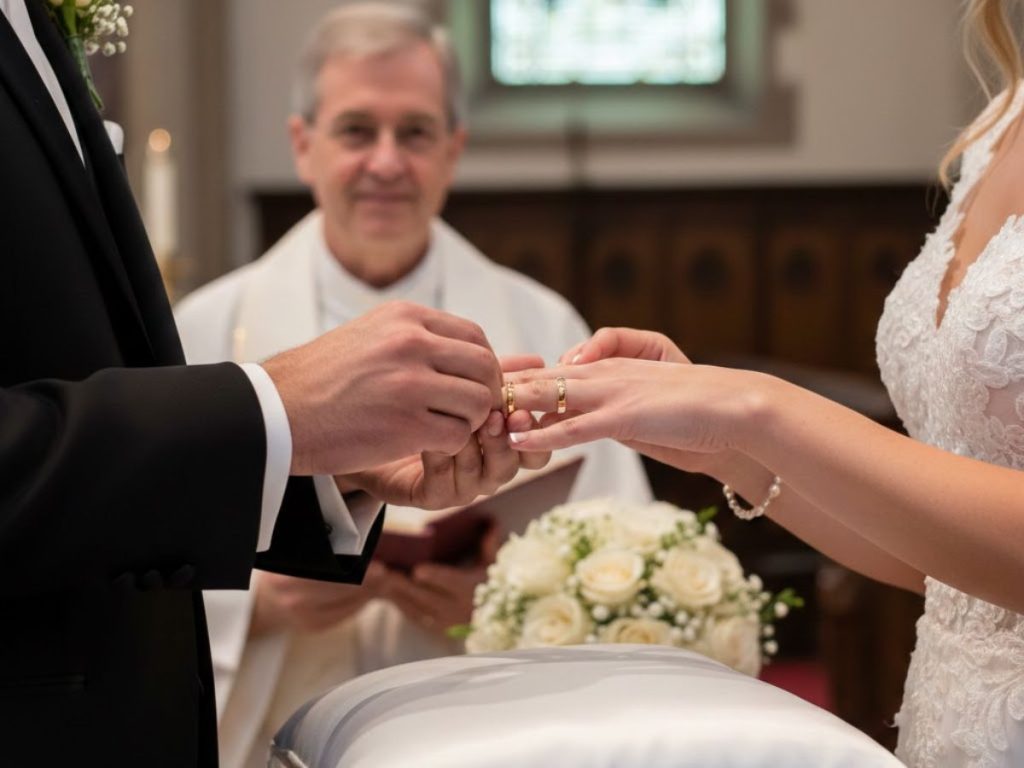
Left Hand Wedding Bands: A Common Choice
In many Western cultures, including the United States, Canada, and the United Kingdom, wearing left hand wedding bands is the standard.
- This tradition is often linked to the Vena Amoris belief.
- Some historical texts also suggest the left hand was chosen because it was considered less dominant, symbolizing the wife’s submission to her husband. However, this interpretation has largely faded.
- Today, it is simply a widely accepted custom representing a public declaration of marriage.
Cultural Wedding Bands: Diverse Traditions Around the World
While the left hand is common in some places, traditions vary greatly across the globe. Different cultures have their own unique customs for wearing cultural wedding bands, each with its own rich symbolism.
European Traditions
- Germany and Russia: In these countries, wedding bands are often worn on the right hand. This practice is believed to symbolize good luck and fortune.
- India: Traditionally, wedding rings are worn on the right hand, as the left hand is considered impure. However, modern couples sometimes adopt Western customs.
- Norway and Denmark: Both countries also favor the right hand for wedding bands.
Asian and Middle Eastern Customs
- China: Historically, the left hand was used for engagement rings, and the right hand for wedding bands. This can vary by region and family tradition.
- Jewish Tradition: In Jewish weddings, the ring is traditionally placed on the index finger of the right hand during the ceremony, then moved to the fourth finger of the left hand after.
- Sri Lanka: Both the groom and bride may wear their rings on the right hand.
These diverse practices show that while the meaning of the ring remains constant, its placement can be deeply tied to cultural identity and belief.
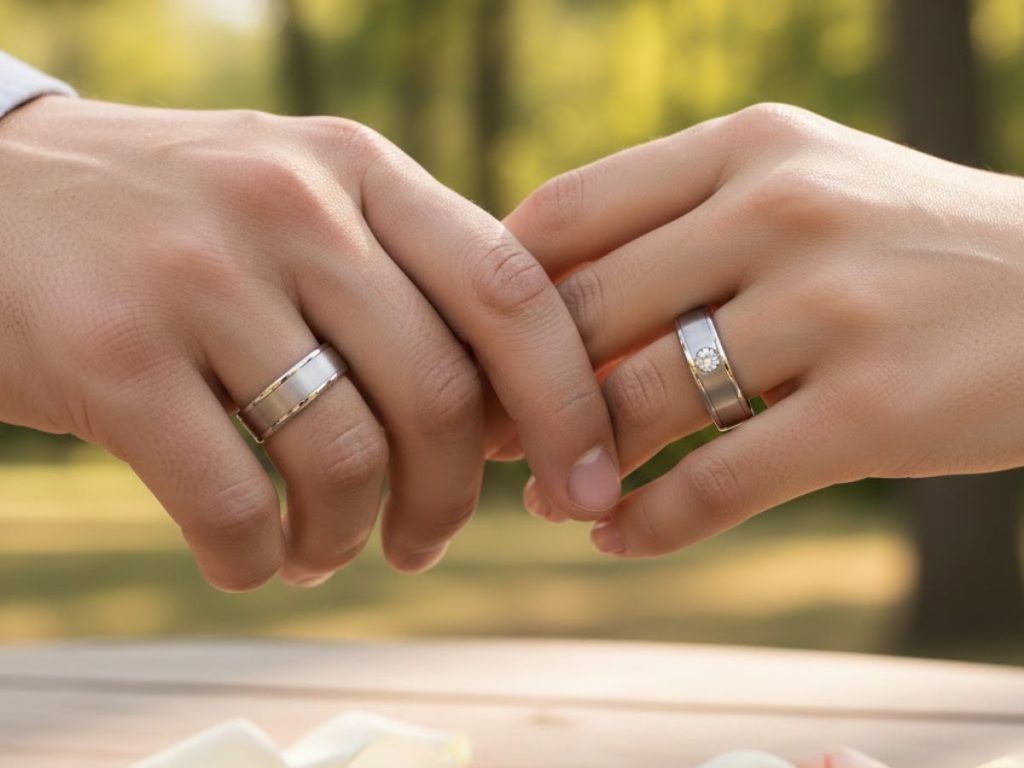
Materials for Your Fourth Finger Wedding Bands
When you choose your fourth finger wedding bands, the material is just as important as its placement. HELMUT The Jeweler offers a variety of durable and beautiful options to suit your personal style and needs.
Consider these materials for your special ring:
- Cobalt Chrome: Known for its medium scratch resistance, high crack resistance, durability, and hypoallergenic properties.
- Zirconium: A lightweight material that can be treated to achieve a true black color, offering medium scratch resistance and durability.
- Titanium: A strong yet lightweight choice, perfect for daily wear.
- Tantalum: A rare, natural, and hypoallergenic material that feels weighty and is very crack resistant, with semi-scratch resistant qualities. It is a newer, very beautiful option in jewelry.
- Gold (14K): A timeless choice, 14K gold offers enough strength for those with active lifestyles.
- Platinum: A naturally white metal that will never fade or change color. Platinum is nearly pure (about 95%), making it an excellent choice for individuals with metal sensitivities or allergies.
Each material offers unique benefits, ensuring your ring is not only beautiful but also suitable for your life. If you are interested in learning about diamond quality, our team can help you understand the 4 C’s.
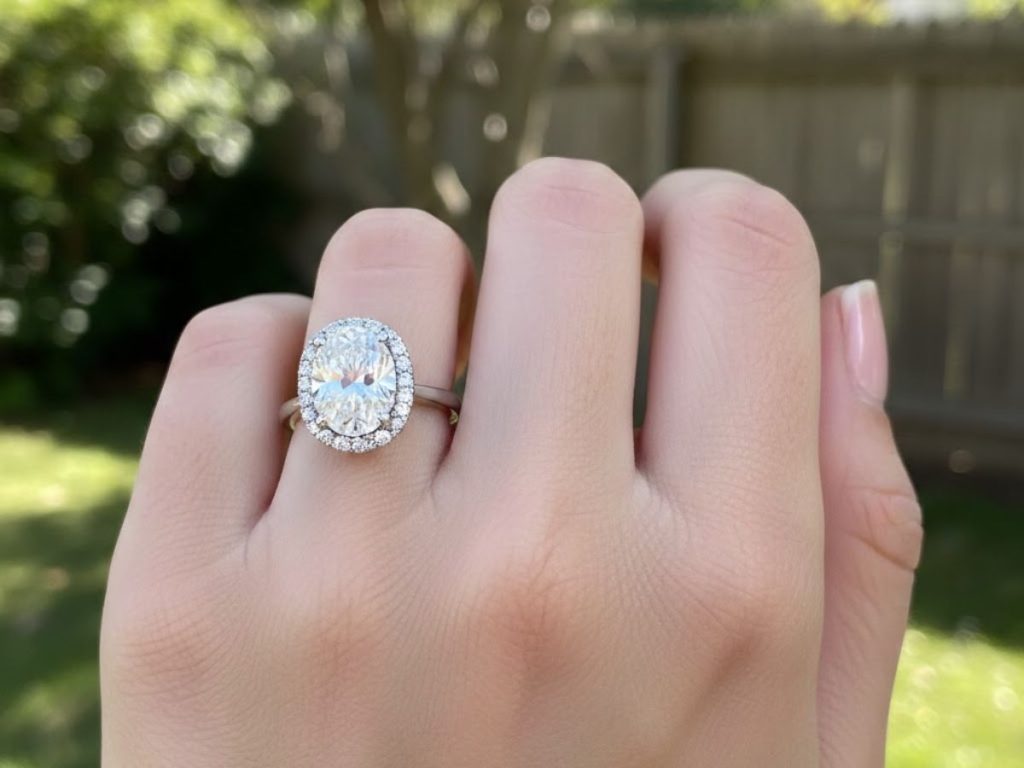
Choosing Your Wedding Band at HELMUT The Jeweler
At HELMUT The Jeweler, we understand the importance of your wedding band. We are proud to be the area’s oldest family-run business, operating since 1972. Our third-generation jewelry experts are here to help you find or create the perfect symbol of your commitment.
We offer:
- Personalized Service: Our team treats every client like family, focusing on your specific needs.
- Quality Selection: We provide a wide array of wedding bands in various materials and styles.
- Custom Design: If you have a unique vision, we specialize in custom jewelry pieces that reflect your individual taste.
- Unbeatable Price Guarantee: We stand by our prices. If we cannot beat a competitor’s price, we will gift you an item up to $1000 value in difference.
We invite you to visit our store in Show Low, AZ, to experience our friendly, accommodating service and explore our premium designs. You can also contact us by phone or email to discuss your jewelry needs.
Frequently Asked Questions
Why is the wedding ring worn on the fourth finger?
The tradition comes from an ancient Roman belief in the “Vena Amoris,” or “vein of love,” which was thought to connect directly from the fourth finger to the heart.
Do all cultures wear wedding bands on the left hand?
No, traditions vary. While many Western cultures wear wedding bands on the left hand, cultures in Germany, Russia, India, and Norway often wear them on the right hand.
What materials are available for wedding bands at HELMUT The Jeweler?
HELMUT The Jeweler offers a variety of materials, including Cobalt Chrome, Zirconium, Titanium, Tantalum, 14K Gold, and Platinum. Each material has unique properties for durability and appearance.
Can I get a custom wedding band designed?
Yes, HELMUT The Jeweler specializes in custom jewelry. You can discuss your unique design ideas with our staff, and we can create a piece to your specifications.





0 Comments