Key Takeaways:
- Regular inspection of your jewelry is important to detect early signs of a loose gemstone setting.
- Look for visible gaps, listen for rattling sounds, and gently touch the stone to check for movement.
- Loose gemstones can result from daily wear, accidental impacts, or the natural aging of the metal.
- When a gemstone is loose, stop wearing the item and seek professional jewelry repair promptly.
- Professional services like prong tightening and stone securing are essential to protect your jewelry investment.
Jewelry holds special meaning, often marking important life events or serving as treasured heirlooms. The gemstones within these pieces are central to their beauty and value. However, over time, a gemstone can become loose in its setting. Understanding the signs of a loose gemstone setting is important to protect your jewelry and prevent loss. This guide will help you identify potential issues and know what steps to take to keep your precious pieces safe.
What is a Loose Gemstone Setting?
A gemstone setting is the metal structure that holds a stone in place within a piece of jewelry. Common settings include prongs, bezels, and channels. When this setting weakens or becomes damaged, the gemstone it holds can move, or become “loose.” A loose gemstone setting is a serious concern because it increases the risk of the stone falling out and being lost. Regular checks can help you catch these issues early.
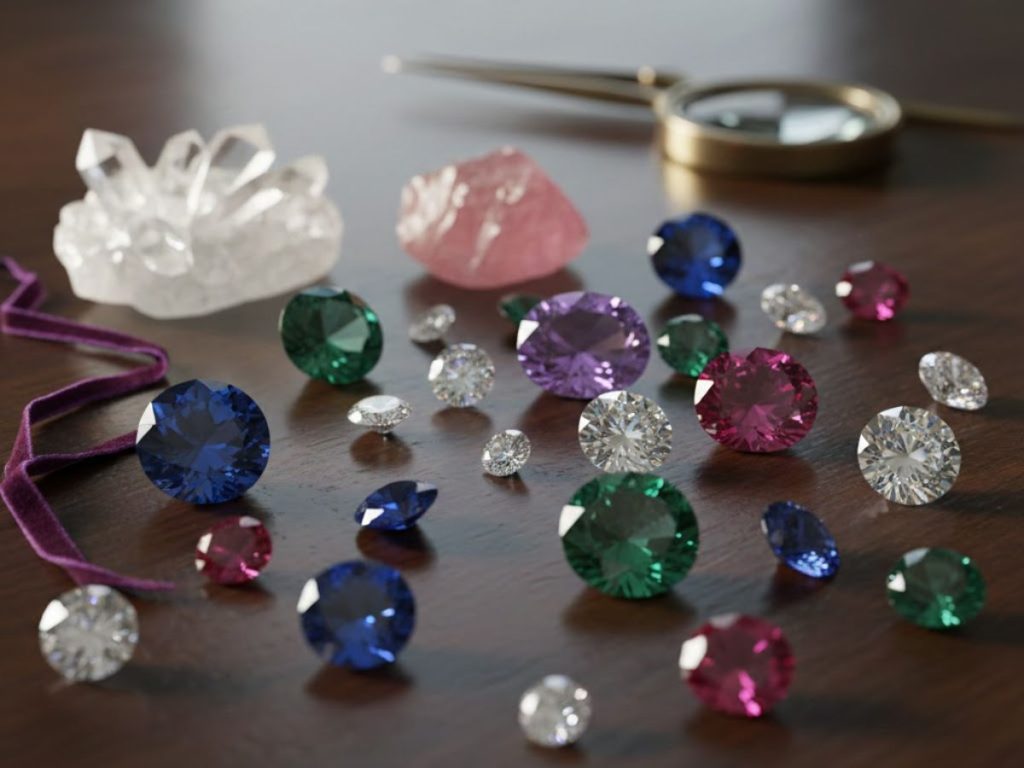
Signs Your Gemstone Might Be Loose
Knowing what to look for can help you identify a loose gemstone before it becomes a major problem. There are several ways you can check your jewelry for this issue.
Visual Inspection for Loose Stones
A careful look at your jewelry is the first step.
- Gaps: Examine the area where the metal meets the gemstone. Do you see any small gaps or spaces that weren’t there before? Even a tiny gap can mean the stone is not held securely.
- Bent or Worn Prongs: If your jewelry has prongs, check them closely. Are any prongs bent, broken, or worn thin? Prongs are meant to hug the stone tightly. If they appear lifted or damaged, the gemstone’s grip is weakened.
- Uneven Setting: Look at the gemstone from different angles. Does it sit unevenly in its setting? A stone that looks tilted or not perfectly centered might be loose.
The Sound Test for Loose Gemstones
Sometimes, you can hear a loose gemstone before you see it.
- Gentle Shake: Hold the piece of jewelry close to your ear and gently shake it. Listen for a faint rattling or clicking sound. If you hear such a sound, it often means the stone is moving within its setting.
- Tap Test: Carefully tap the jewelry against a hard, non-damaging surface (like a wooden table). Again, listen for any unusual sounds that suggest movement.
Touching Your Gemstone
A tactile check can also confirm if a gemstone is loose.
- Gentle Pressure: With clean fingers, gently try to wiggle the gemstone. Do not apply strong force. If the stone moves even slightly, it is loose.
- Feeling for Movement: Sometimes, you can feel a slight shift or “give” when you gently press on the stone. This sensation indicates that the setting is not as tight as it should be.
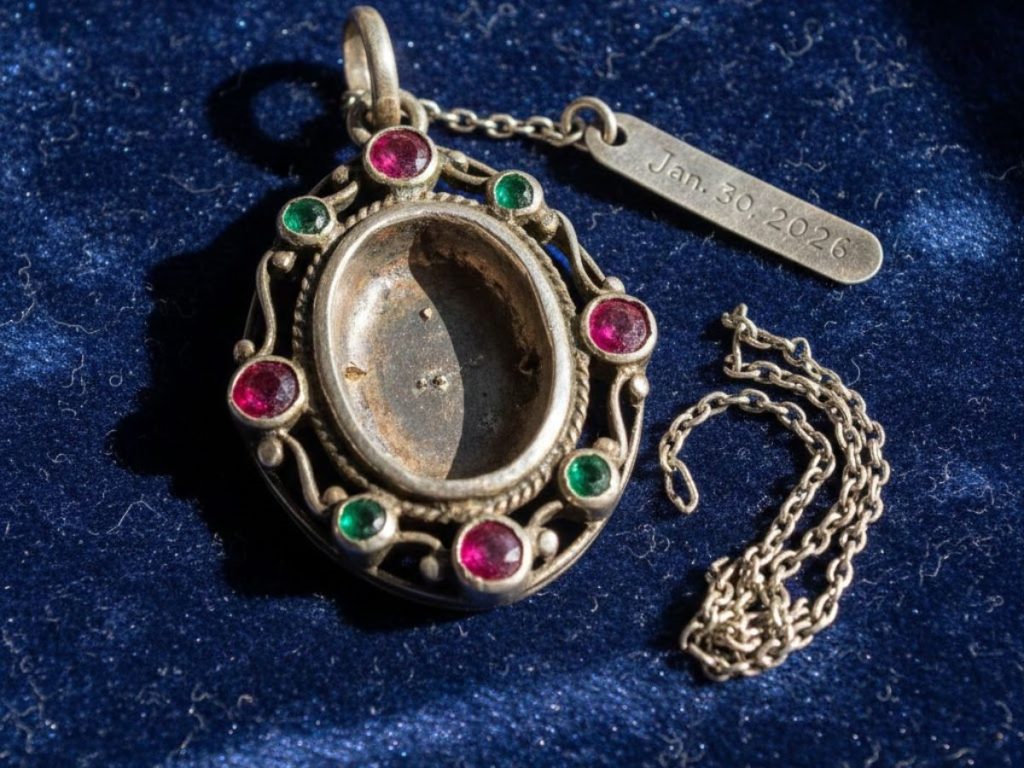
Why Gemstones Become Loose
Several factors can lead to a loose gemstone setting. Understanding these causes can help you care for your jewelry better.
Daily Wear and Tear
Jewelry worn every day is exposed to many elements.
- Rubbing and Friction: Constant rubbing against clothing, skin, or other objects can gradually wear down the metal that holds the stone.
- Cleaning: While important, improper jewelry cleaning methods or harsh chemicals can sometimes weaken settings over time.
Impact and Trauma
Accidental bumps or drops are common causes of damage.
- Hard Surfaces: Hitting your ring or pendant against a hard surface can bend prongs or distort the metal setting, causing the stone to loosen.
- Work Activities: Certain jobs or hobbies might put your jewelry at higher risk of impact.
Age and Metal Fatigue
Even without obvious trauma, settings can weaken over time.
- Metal Softening: Over many years, the metal of a setting can become less rigid, especially with softer metals like gold. This “metal fatigue” can reduce its ability to hold a stone tightly.
- Previous Repairs: If a piece has been repaired before, the quality of the repair can affect its long-term stability.
What to Do When You Find a Loose Gemstone
Discovering a loose gemstone can be alarming, but acting quickly can prevent further damage or loss.
Immediate Actions
- Stop Wearing the Item: The most important step is to immediately stop wearing the piece of jewelry. Continuing to wear it greatly increases the chance of the gemstone falling out.
- Store It Safely: Place the item in a secure box or pouch where it will not be jostled or damaged further. Do not attempt to fix it yourself, as this can cause more harm.
- Avoid DIY Solutions: Using glue or trying to bend prongs yourself can permanently damage the jewelry and make professional repair more difficult or impossible.
Seeking Professional Help
Once you have secured the item, the next step is to consult a professional jeweler. They have the tools and expertise to properly assess and fix the issue.
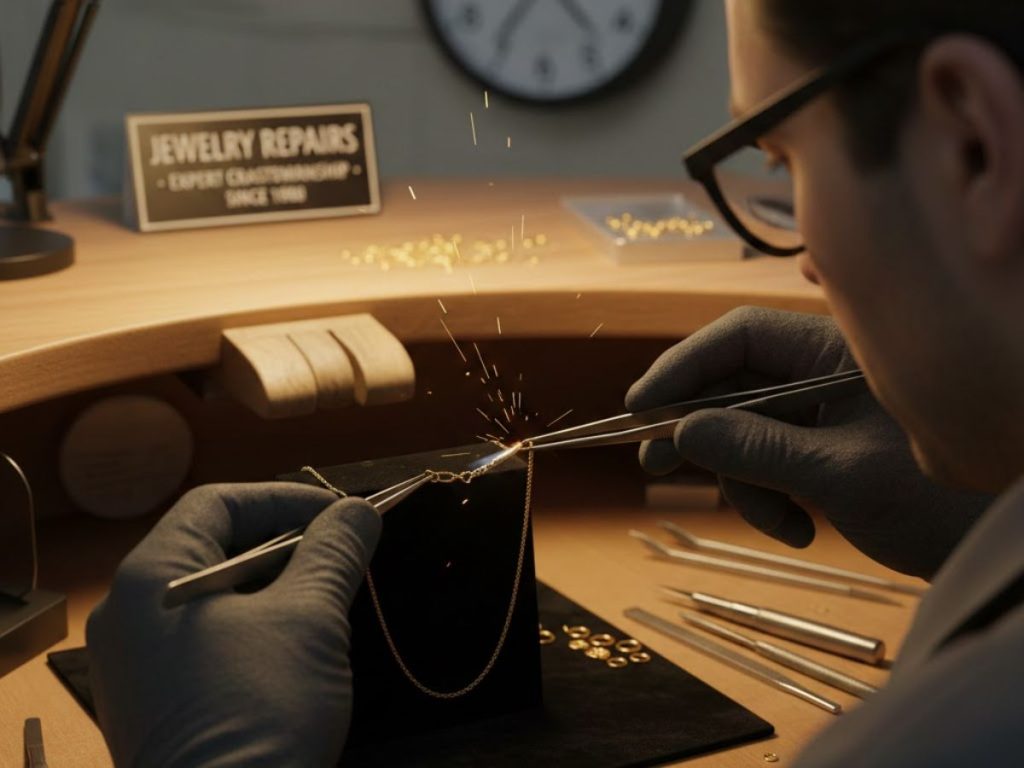
The Importance of Professional Jewelry Repair
Professional jewelry repair is important for maintaining the life and beauty of your treasured pieces.
Prong Tightening and Stone Securing
- Expert Techniques: Jewelers use specialized tools and techniques for prong tightening to carefully push the metal back into place around the gemstone, ensuring a secure fit.
- Rebuilding Settings: If the setting is severely damaged, a jeweler might need to rebuild or replace parts of it to achieve proper stone securing. This work requires precision and skill.
Preventative Maintenance
Regular professional inspections are a key part of preventative care.
- Early Detection: A jeweler can spot signs of wear and tear on settings before they become noticeable to you, addressing issues proactively.
- Cleaning and Inspection: During a professional jewelry cleaning, the jeweler can also inspect all settings and make minor adjustments as needed. This helps maintain the integrity of your jewelry.
Choosing a Jewelry Repair Service in Show Low, AZ
When your jewelry needs attention, choosing the right jeweler is important. In Show Low, AZ, HELMUT The Jeweler has been serving the community for over a half-century. Our team of master jewelers has the experience to handle everything from simple repairs to complex custom jewelry creations. We understand that each item holds unique value, and we treat every piece with the care it deserves. Whether you need a routine inspection, prong tightening, or even watch repair, you can trust our certified and educated staff. We are proud to be the area’s oldest family-run business, operating since 1972, and we care for each item as if it were our own. Visit our store or contact us today for reliable and friendly service.
Conclusion
A loose gemstone setting is a common issue that can happen to any piece of jewelry. By knowing the signs-visual gaps, rattling sounds, or slight movement-you can detect the problem early. Prompt action, such as stopping wear and seeking professional help, is important to save your gemstone from being lost. Trusting experienced jewelers like those at HELMUT The Jeweler ensures your cherished pieces receive the expert care they need to remain beautiful and secure for years to come.
Frequently Asked Questions
How often should I have my jewelry inspected for loose gemstones?
It is a good practice to have your fine jewelry inspected by a professional jeweler at least once a year. If you wear certain pieces daily or they are exposed to more wear, more frequent checks might be helpful.
Can a loose gemstone be fixed at home?
No, it is not recommended to fix a loose gemstone setting at home. Jewelers use specialized tools and knowledge to properly secure stones without causing further damage. Attempting a DIY fix can lead to permanent damage to your jewelry.
What does prong tightening involve?
Prong tightening is a process where a jeweler carefully pushes the metal prongs back against the gemstone to secure it firmly in place. This helps to prevent the stone from moving or falling out.
How long does it take to fix a loose gemstone?
The time it takes to fix a loose gemstone can vary. Simple prong tightening might be a quick process, while more complex repairs, like rebuilding a setting or replacing a damaged prong, could take longer. Your jeweler can give you an estimate after inspecting your piece.
Is it expensive to fix a loose gemstone?
The cost of fixing a loose gemstone depends on the type of repair needed. Simple prong tightening is generally affordable, while more extensive work like rebuilding a setting or replacing parts of the metal will cost more. Getting an estimate from your jeweler is the best way to understand the cost.





0 Comments